RV Propane Furnace Repair - Daytona Beach, FL
RV Repair Daytona Beach fixes propane furnace faults on-site - gas valve failures, orifice clogs, regulator pressure problems, and pilot or direct-spark ignition issues. We test propane supply pressure at the furnace before assuming any internal part has failed, which prevents misdiagnosis when a regulator or line issue is the real cause. Most repairs are completed without a shop visit.
How Propane Supply Pressure Affects RV Furnace Performance - What the Manometer Test Reveals
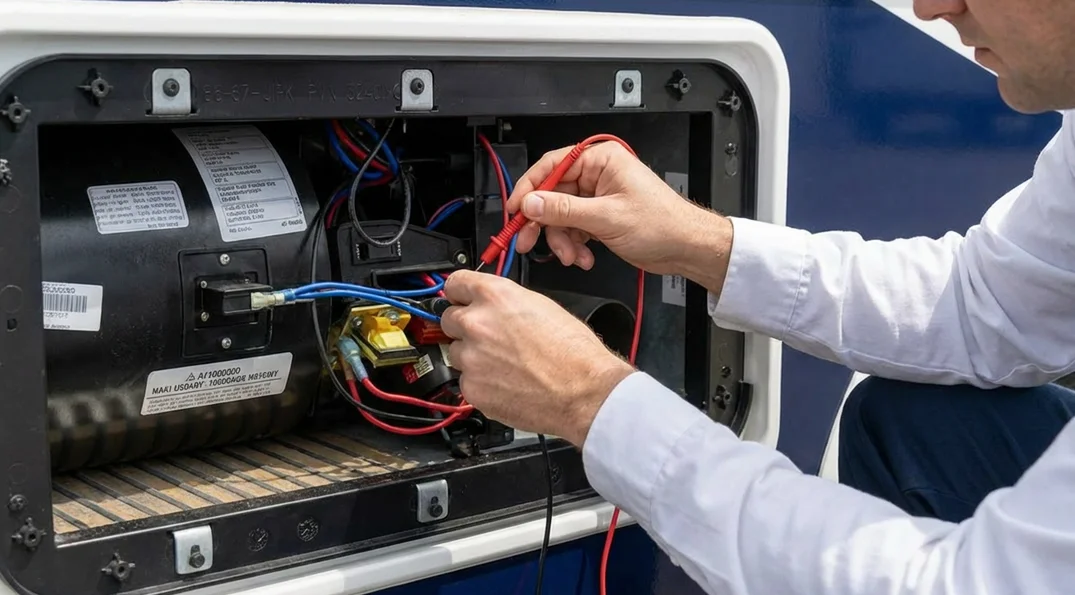
The Atwood and Suburban propane furnaces installed in most North American RVs require 11 inches water column of propane supply pressure measured at the furnace inlet for reliable ignition and rated heat output. A pressure below 9 inches water column causes weak, unreliable ignition and reduced BTU output. A pressure above 14 inches can cause the gas valve to over-fire and trigger the high-limit switch.
Our technicians test inlet pressure with a calibrated manometer as the first step on every propane furnace call, before opening the furnace service panel. This single test separates furnace problems from propane supply problems and prevents the common misdiagnosis where a failing first-stage regulator is mistaken for a bad gas valve. A regulator that delivers correct pressure at low flow but drops to 7 inches under the furnace's full-fire demand has a weakened diaphragm and needs replacement regardless of its apparent condition at rest.
Direct Spark Ignition vs. Standing Pilot Systems - Diagnosis Differences on RV Propane Furnaces
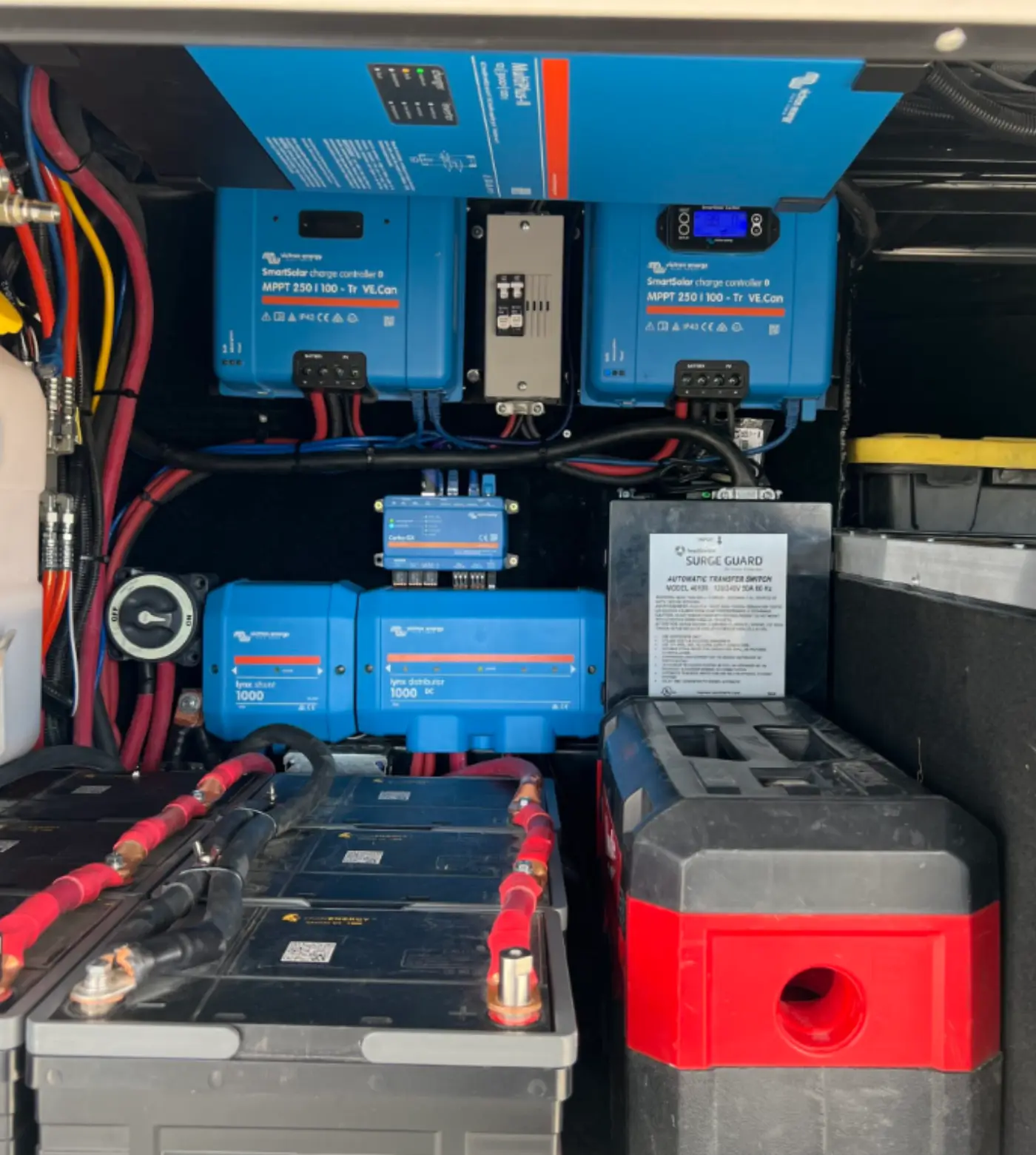
Modern Suburban and Dometic RV furnaces use direct spark ignition (DSI), where the control board generates a spark at the igniter electrode during each ignition attempt and monitors flame presence through a separate flame sensor rod. Older units used a standing pilot that burned continuously and required manual lighting. The failure modes differ significantly.
On DSI systems, the most common failures are the igniter electrode (no spark), the flame sensor rod (correct flame but board reads no flame and cuts gas), and the DSI control board itself. On standing pilot systems, the thermocouple is the primary failure point - it generates the millivolt signal that holds the gas valve open when the pilot is lit, and a thermocouple that no longer generates adequate millivoltage causes the valve to close within 30 to 60 seconds after lighting. We stock igniter electrodes and thermocouples for common Suburban, Atwood, and Dometic furnace models on every service truck.
RV Heating System Repair Cost in Daytona Beach, FL
| Service | Typical Cost | Notes |
|---|---|---|
| Service Call + First Hour | $299 - $399 | Travel + diagnostics anywhere in Volusia County |
| Furnace Igniter or Pilot Repair | $150 - $300 | Suburban or Atwood; most common furnace fix |
| Thermocouple Replacement | $100 - $200 | Safety sensor; prevents no-heat failures |
| Control Board Replacement | $250 - $550 | Furnace or heat pump control board |
| Furnace Blower Motor Replacement | $200 - $400 | Suburban or Atwood blower assembly |
| Heat Pump Service (Dometic/Coleman Mach) | $200 - $500 | Diagnosis, coil clean, and refrigerant check |
Pricing note: Ranges shown are average costs for the Daytona Beach, FL market based on common repair scenarios. The exact cost of your repair depends on your RV make and model, the severity of the issue, and parts availability.
Only a technician on-site can provide an accurate estimate after inspecting your RV. A written estimate is provided before any work begins - you approve it before we start.
RV Propane Furnace Repair - Common Questions
How do I know if my propane furnace problem is the gas valve or the regulator?
A technician tests inlet pressure at the furnace with a manometer - proper operating pressure for most RV propane furnaces is 11 inches water column. Low pressure that recovers after the regulator warms up points to a freezing two-stage regulator, while correct pressure with no gas at the burner points to a faulty gas valve. RV Repair Daytona Beach carries a calibrated manometer on every call so this test is done before any parts are touched.
Can a clogged furnace orifice cause the furnace to run but not heat adequately?
Yes - a partially blocked orifice restricts gas flow and produces a weak, unstable flame that may not trip the limit switch but delivers far less heat than rated BTU output. Carbon buildup and debris from the propane supply are the usual causes, and the fix is cleaning or replacing the orifice rather than replacing the whole burner assembly. RV Repair Daytona Beach checks flame color and burner tube temperature to confirm an orifice issue before disassembly.
Is it safe to run my Suburban or Atwood furnace if I smell a faint gas odor?
No - shut off the furnace and close the propane tank valve until a technician inspects it. A faint odor can mean a cracked burner tube, a weeping gas valve, or a loose flare fitting anywhere in the supply line, all of which carry real fire risk inside a living space. RV Repair Daytona Beach uses an electronic combustible gas detector to trace the leak source and makes the necessary repair before reopening the system.
How often should the burner orifice be cleaned on an Atwood or Suburban RV propane furnace?
Annual cleaning before the heating season is the standard recommendation, especially for rigs that sit in storage where spiders commonly build nests inside the burner tube and orifice. A partially blocked orifice reduces heat output by 20 to 40 percent before the flame becomes visibly wrong, so the problem often goes unnoticed until a cold night makes the shortfall obvious. Cleaning takes about 20 minutes and is included in our annual furnace service inspection.
What should I do if I smell propane inside the RV near the furnace?
Turn off the furnace immediately, close the propane tank valve, and open windows and doors before calling RV Repair Daytona Beach. Do not use electrical switches or create any spark inside the rig.
A propane odor inside the living space indicates either a cracked heat exchanger allowing combustion gases to enter the return air stream, a weeping gas valve, or a loose fitting in the furnace supply line - all of which are legitimate safety hazards. Our technicians carry an electronic combustible gas detector and trace the leak source before any repairs are started.