RV Water Filtration Systems - Daytona Beach, FL
RV Repair Daytona Beach installs inline and undersink water filtration systems sized for RV plumbing on-site - sediment pre-filters, carbon block filters, and UV purifiers for full-time travelers or anyone dealing with campground water quality issues. We tap into the fresh water inlet line, mount the housing in an accessible cabinet or wet bay, and test flow rate before we leave. Most installs take 90 minutes.
Why RV Water Filtration Matters More Than Home Filtration
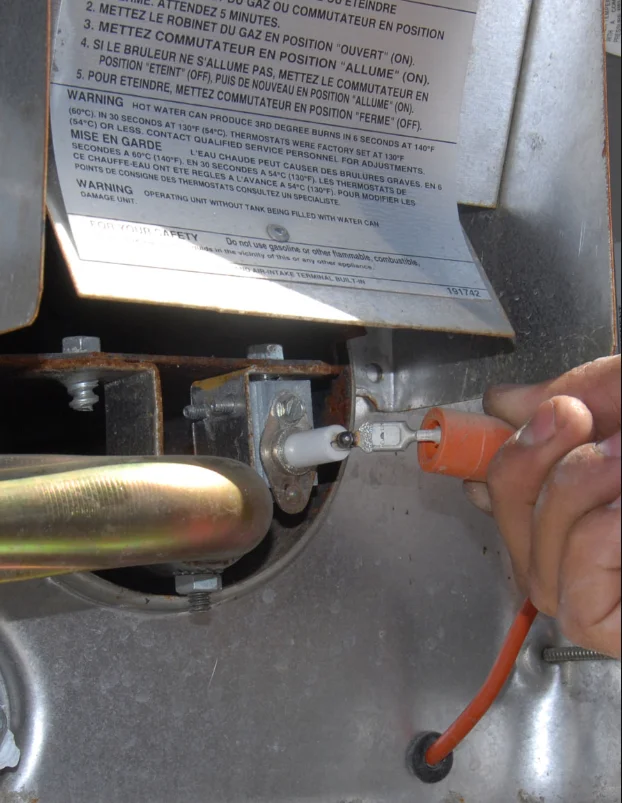
Home filtration systems serve a single, consistent municipal supply. RV filtration must handle radically different water quality depending on the campground - from a well-maintained municipal source to a private well with high iron content, to a rural campground on a surface water supply with elevated sediment. An owner who travels regularly will expose their plumbing to a dozen or more different water sources per season.
The plumbing consequences of unfiltered campground water include scale buildup in the Suburban or Atwood water heater tank that reduces element life, sediment fouling of the Shurflo or Flojet pump inlet strainer that causes premature pump failure, chlorine degradation of rubber components including flush ball seals and pipe joint O-rings, and taste and odor issues that make the on-board water supply unusable for drinking. RV Repair Daytona Beach designs filtration installations to address the widest range of campground water types, which means a two-stage or three-stage system is almost always the correct approach for rigs that travel across multiple water sources.
Sediment and Carbon Block Filter Stage Design
A properly designed RV filtration system starts with a sediment pre-filter before any carbon or UV stage. The sediment cartridge captures grit, rust particles, and suspended solids that would foul a carbon block cartridge within days at a campground with poor supply infrastructure. A 5-micron sediment rating is the standard starting point - fine enough to protect downstream components without restricting flow below the 1.5 to 2.0 GPM minimum needed for acceptable shower pressure.
The carbon block filter in the second stage uses activated carbon to adsorb chlorine, chloramines, pesticide residues, and VOCs that affect taste and odor. Carbon block cartridges rated at 0.5 micron absolute also provide reduction of cysts like Cryptosporidium and Giardia, making them the preferred choice over granular activated carbon for RVs that encounter rural water sources. RV Repair Daytona Beach selects 10-inch standard housings for most installations because cartridge availability is universal - a replacement cartridge is available at any hardware store or RV parts retailer Volusia County.
UV Purification for Bacterial and Viral Contamination
UV purification is the only campsite-viable method for addressing microbiological contamination in water that has not been treated by a municipal system. UV systems work by exposing flowing water to ultraviolet light that disrupts the DNA of bacteria, viruses, and protozoan cysts, rendering them unable to reproduce. The UV stage must be placed after the sediment and carbon block stages because turbid or colored water reduces UV transmittance and allows pathogens to pass through unaffected.
RV Repair Daytona Beach sizes UV units based on flow rate - a 6-watt lamp provides adequate disinfection at up to 2 GPM, covering normal RV demand. The UV lamp requires replacement approximately every 12 months regardless of hours of operation because output degrades over time even when the lamp remains lit. We install UV units with a quick-change lamp socket so the owner can swap the lamp without tools.
Power is drawn from the 12V DC system, making it compatible with both shore power and battery operation.
Installation Locations and Flow Rate Considerations
The optimal installation location for a whole-system RV filter is between the city water inlet and the first branch in the fresh water supply line, protecting both the tank fill connection and all downstream plumbing. Most RVs have a wet bay or exterior pass-through compartment that provides a logical mounting point close to the city inlet. RV Repair Daytona Beach mounts filter housings with the cartridge sump pointing down for easy drain and replacement, in a position accessible without tools for routine swaps.
We use a dedicated filter housing bracket rated for road vibration rather than relying on cabinet walls - a loose housing that swings during travel stresses the connections and eventually causes a fitting failure. The city water pressure regulator is installed upstream of the filter so the housing operates at regulated pressure. Flow restriction through a two-stage system is typically 0.3 to 0.5 GPM - negligible at campground rates but measured on every installation to confirm adequate shower pressure before closing up.
RV Plumbing Repair Cost in Daytona Beach, FL
| Service | Typical Cost | Notes |
|---|---|---|
| Service Call + First Hour | $299 - $399 | Travel + diagnostics anywhere in Volusia County |
| Water Pump Replacement | $150 - $350 | Shurflo / Flojet; includes fittings |
| Water Heater Repair | $200 - $600 | Suburban or Atwood; pilot, element, or thermostat |
| Toilet Replacement | $200 - $500 | Standard ball-valve or foot-pedal model |
| Tank Leak Repair | $150 - $400 | Black or grey tank; sealant or fitting swap |
| Fresh Water Pipe Repair | $100 - $300 | PEX fitting or section replacement |
| Water Filter System Install | $150 - $400 | Inline filter; canister or whole-coach |
Pricing note: Ranges shown are average costs for the Daytona Beach, FL market based on common repair scenarios. The exact cost of your repair depends on your RV make and model, the severity of the issue, and parts availability.
Only a technician on-site can provide an accurate estimate after inspecting your RV. A written estimate is provided before any work begins - you approve it before we start.
RV Water Filtration Systems - Common Questions
What type of water filter is best for an RV used at different campgrounds throughout Volusia County?
A two-stage system with a 5-micron sediment pre-filter followed by a carbon block filter handles the widest range of campground water quality issues including sediment, chlorine taste, and odor. Full-time travelers who use well water sources frequently should add a UV stage to address bacterial contamination.
Where is the best place to install an RV water filter - at the inlet or under the sink?
An inlet filter at the city water connection protects the entire plumbing system including the water heater and tank, which is the better choice for most owners. An under-sink filter added at the kitchen faucet provides drinking-quality water on top of the whole-system protection.
How often do RV water filter cartridges need to be replaced?
Sediment cartridges in heavy-use RVs typically need replacement every three to six months, and carbon block cartridges every six to twelve months depending on water source quality. We install filter housings with quick-change sump designs so you can swap cartridges in minutes without tools.
Do I still need a water filter if I only camp at KOA or similar full-hookup campgrounds?
Full-hookup campgrounds use treated water that meets EPA bacterial standards, but the campground distribution infrastructure - hose bibs, pressure regulators, and supply lines - adds sediment, rust, and taste issues that a filter addresses. A basic sediment and carbon block system is worthwhile even at premium campgrounds because it protects the Shurflo or Flojet pump strainer from grit introduced by the campground supply line, extending pump life measurably.
Can I filter my fresh tank water as well as city hookup water?
Yes - a filter installed on the pump outlet rather than the city water inlet will filter water drawn from the fresh tank through the pump. The trade-off is that tank water has usually already been pre-filtered at the inlet, so a pump-outlet installation is most useful when the fresh tank itself is the source of taste or odor issues from long storage. For most installs, an inlet-side filter protecting both the tank fill and city water connection is the more efficient design.
How do I know when my RV water filter cartridge needs to be replaced?
Sediment cartridges need replacement when flow noticeably decreases at the faucet - restriction from a clogged cartridge is the reliable indicator. Carbon block cartridges lose adsorption capacity before they restrict flow, so replacement should be on a calendar schedule - every six months for moderate use and every three months for full-time travelers on varied water sources. A cartridge past its adsorption life may flow freely while providing no filtration for taste, odor, or chemical contamination.