RV Propane Pressure Diagnosis - Daytona Beach, FL
RV Repair Daytona Beach performs a systematic propane pressure diagnosis using a calibrated manometer to measure LP delivery at multiple points in your system - tank outlet, regulator output, and appliance inlet - and identifies whether low or fluctuating pressure originates at the tank, the regulator, the supply lines, or the appliance itself. This four-point pressure test is the only way to definitively locate the source of pressure-related appliance failures without replacing components unnecessarily.
Why Low Propane Pressure Is a Diagnosis Problem, Not Just a Parts Problem
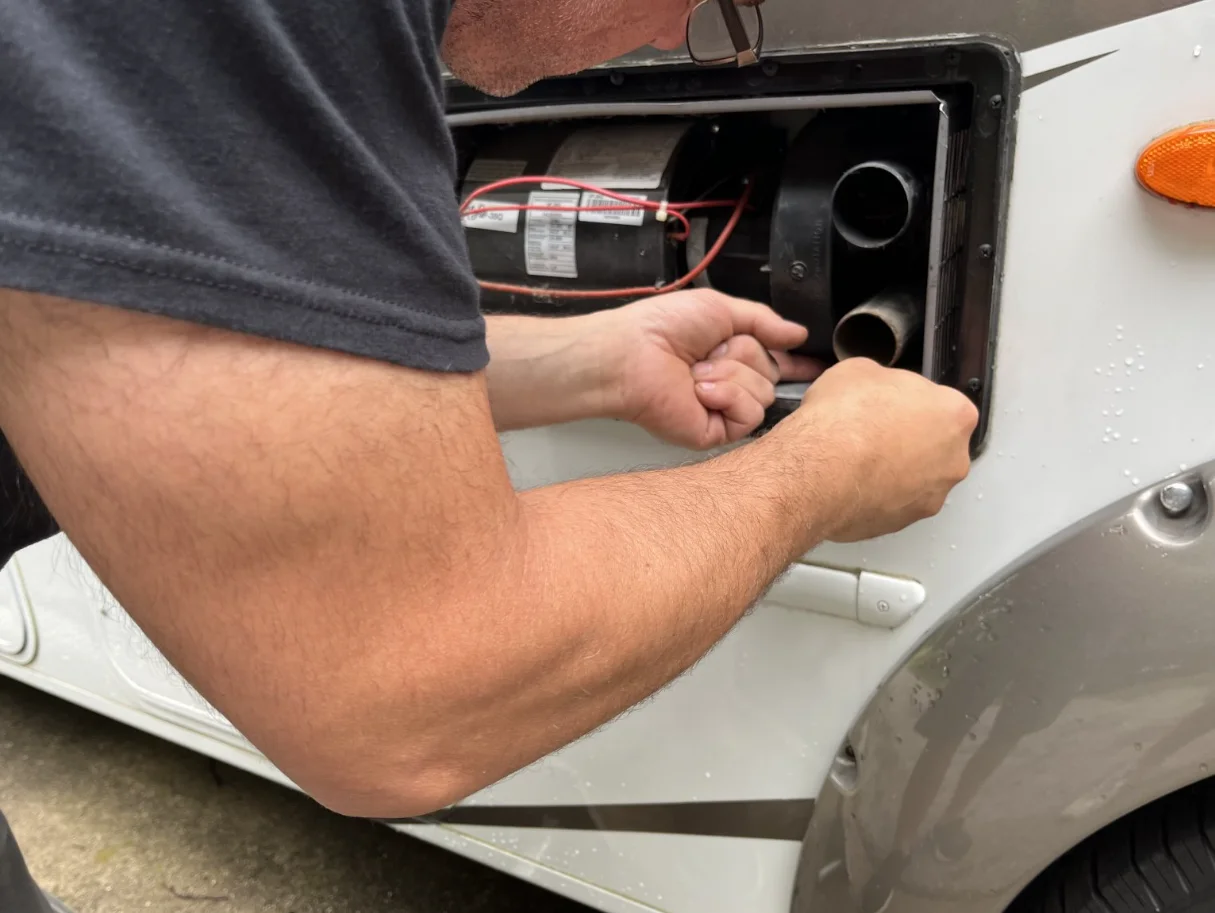
When a propane appliance fails due to pressure, the symptom - furnace shuts off, stove flame goes low, water heater cycles - looks the same regardless of where in the system the pressure is being lost. Without measuring pressure at each point, the temptation is to replace the most accessible component first, which is usually the regulator. That gets expensive when the actual problem is an empty tank, a clogged orifice, or a campground supply issue that has nothing to do with your RV's regulator.
RV Repair Daytona Beach uses a Magnehelic manometer to measure pressure in inches water column at the regulator output and at a downstream appliance connection. The expected reading is 11 inches water column under no-load conditions. Under load - when the furnace or water heater is running - pressure should drop no more than 0.5 inches water column before stabilizing.
A drop below 10 inches under load indicates a supply capacity problem. A reading below 11 at static indicates a regulator failure.
We also check for the reverse problem: over-pressure. A failed regulator diaphragm can allow high tank pressure to pass downstream, which damages appliance components and creates a safety hazard. Stove burners that flame unusually high or pop loudly when lit are a symptom of over-pressure.
Separating Campground Supply Problems from Your RV's Propane System

During Daytona 500 Speedweeks and Bike Week, campground propane supply pressure can drop significantly when hundreds of RVs are running furnaces and stoves simultaneously. If your appliances fail during peak demand hours but work normally in the morning before neighboring RVs are active, campground supply pressure is a primary suspect.
RV Repair Daytona Beach isolates campground supply problems by switching your RV to its own tanks and testing regulator output pressure from your LP supply rather than the campground hook-up. If pressure normalizes on tank supply but drops on campground supply, the problem is on the campground side. We document this finding for you to report to campground management.
Event-season campgrounds near the Speedway and in the Daytona Beach area are most vulnerable to supply pressure drops. RVers who rely on campground LP hook-up for extended race week stays should carry a backup portable tank for critical appliances - furnace and water heater - as insurance against supply pressure drops at peak demand.
The Four-Point Pressure Test: What We Measure and What Each Reading Means
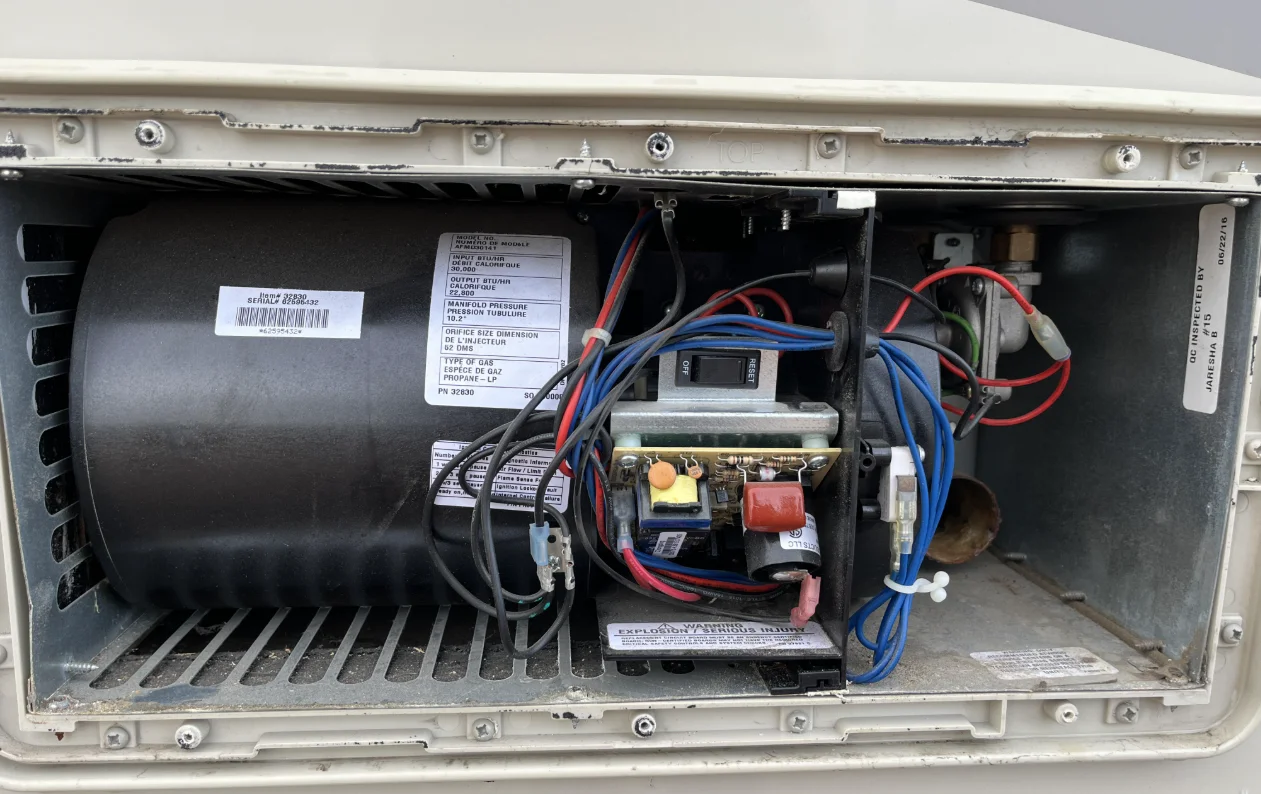
RV Repair Daytona Beach follows a four-point pressure protocol on every propane pressure complaint. Point one is the tank outlet - confirming tank fill level and that the tank valve is fully open. Point two is the first-stage regulator outlet - should read 10 PSI static, confirming the first stage is reducing from tank pressure correctly.
Point three is the second-stage regulator outlet - should read 11 inches water column, confirming the working pressure delivered to the appliance system. Point four is the most distal appliance connection - confirming that there is no pressure drop across the supply lines between the regulator and the appliance due to a partial blockage or restricted fitting.
Each point narrows the problem location. If point two reads correctly but point three is low, the second-stage diaphragm is the issue.
If point three reads correctly but point four is low, there is a restriction in the supply lines. If all points read correctly and the appliance still fails, the problem is in the appliance's gas valve or burner assembly, not the supply system.
RV Propane System Service Cost in Daytona Beach, FL
| Service | Typical Cost | Notes |
|---|---|---|
| Service Call + First Hour | $299 - $399 | Travel + diagnostics anywhere in Volusia County |
| Propane Pressure Diagnosis (four-point) | $100 - $200 | Manometer test at tank, both regulator stages, and appliance |
| Regulator Replacement (if indicated) | $150 - $325 | POL or ACME two-stage; tested after installation |
| Supply Line Restriction Diagnosis | $75 - $150 | Isolate blockage between regulator and appliance |
| Over-Pressure Safety Check | $75 - $125 | Confirm regulator is not passing tank pressure downstream |
| Campground Supply Isolation Test | $75 - $125 | Confirm whether problem is RV or campground supply |
Pricing note: Ranges shown are average costs for the Daytona Beach, FL market based on common repair scenarios. Exact cost depends on your RV make and model, the severity of the issue, and parts availability. A written estimate is provided before any work begins - you approve it before we start.
RV Propane Pressure Diagnosis - Common Questions
What is the correct propane pressure for an RV?
RV propane appliances are designed to operate at 11 inches water column working pressure at the appliance inlet, which is what a properly functioning two-stage regulator delivers. Tank pressure, which varies from 50 to 200 PSI depending on temperature and fill level, is too high to use directly and must be reduced in two stages. If your appliances are running at noticeably different pressures than normal, a manometer test is the only accurate way to identify where in the system the pressure is being delivered incorrectly.
My propane appliances work fine at home but fail at the Daytona campsite - why?
Three common explanations: campground supply pressure drops under heavy demand during events, your tank is lower than you thought and the first-stage regulator is struggling with reduced inlet pressure, or cold mornings are freezing the first-stage orifice. We isolate which cause applies by testing on your own tank supply first, then measuring regulator output under load conditions at different times of day.
Can a cold morning really drop my propane pressure enough to cause appliance failures?
Yes. LP gas pressure drops as tank temperature decreases because liquid propane vaporizes more slowly at lower temperatures. A tank that reads one-quarter full at 70 degrees F may deliver insufficient vaporization rate at 40 degrees F when multiple appliances are running simultaneously.
This is a physics limitation of the LP system, not a regulator failure. The fix is insulating the tank, keeping tanks at least half full during cold-weather events, and not running all propane appliances simultaneously.
How long does a propane pressure diagnosis take?
The four-point pressure test takes 30 to 45 minutes. If we find the problem in the first two points, the remaining points are skipped and we move to the repair.
If the regulator needs replacement, that adds 20 to 30 minutes. Most pressure diagnosis appointments are complete within 60 to 90 minutes, with repairs done on the same visit when stock parts apply.
What is over-pressure and how dangerous is it?
Over-pressure occurs when the regulator diaphragm fails and allows tank pressure - up to 200 PSI in a warm full tank - to pass through to the appliance system, which is designed for 11 inches water column. This can rupture appliance gas valves, cause control board failures on digital appliances, and create an explosive fuel-air mixture in the RV. If stove burners flame high, water heater pilot blows out immediately, or you smell strong gas at any appliance, shut off the tank valve and call us before using any appliance.
Do you test propane pressure at campgrounds or only at RV storage facilities?
We test wherever your RV is located - campgrounds, storage facilities, driveways, and anywhere else in Volusia County. The manometer equipment is fully portable and does not require any campground infrastructure. For campgrounds during Speedweeks and Bike Week, we book same-day appointments and can usually arrive within two hours of your call.