RV Wall Delamination Repair - Daytona Beach, FL
RV Repair Daytona Beach reattaches fiberglass or aluminum sidewall skins that have separated from the underlying foam core due to water infiltration. We inject structural adhesive into the void, clamp or vacuum-bag the panel, and seal every entry point that let moisture in. Delamination caught early - before the foam saturates - can usually be repaired without full panel replacement.
Diagnosing RV Wall Delamination - Tap Test and Moisture Mapping
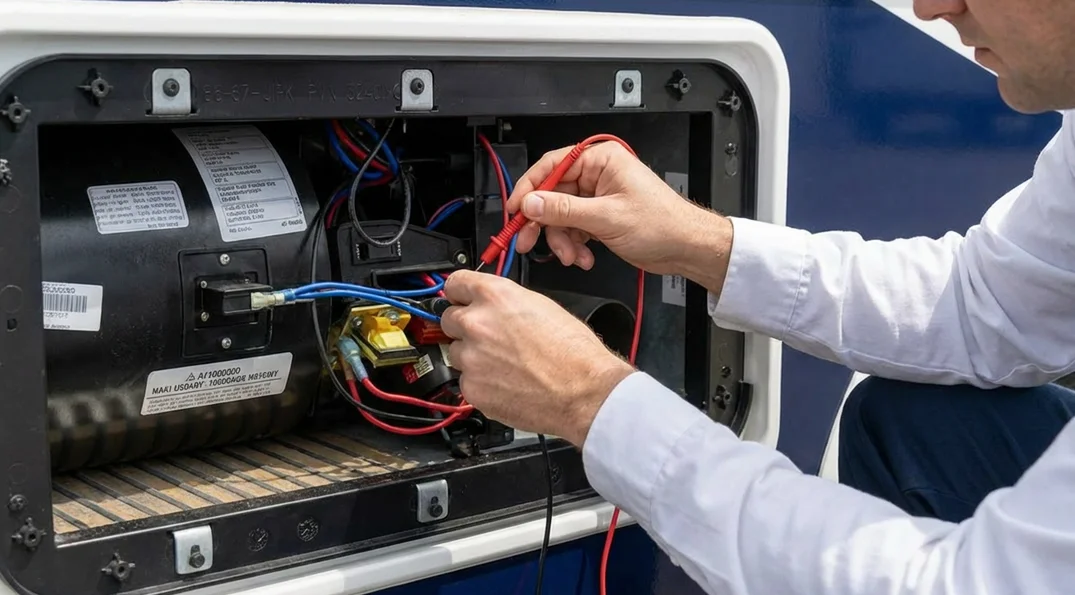
RV Repair Daytona Beach technicians use a two-step delamination assessment: a rubber mallet tap test to map the extent of the separation, followed by a moisture meter scan to determine whether the foam core behind the skin is wet or dry. A delaminated area that is still dry - meaning the adhesive bond failed but water has not yet saturated the foam - is an ideal candidate for injection repair. A delaminated area where the meter reads above 25 percent moisture content behind the skin means the foam has absorbed water and may not support a reliable adhesive bond.
In that case we probe the foam with a pick after drilling an inspection port to confirm whether the core is still structurally intact. Dry foam that still has adequate density can be bonded successfully. Foam that crumbles or compresses under light probe pressure requires foam removal and replacement before skin rebonding.
Structural Adhesive Injection - The Repair Process
When the foam core is confirmed dry and intact, RV Repair Daytona Beach performs a structural adhesive injection repair by drilling a series of small pilot holes - typically 3/16 inch diameter - at the inner edge of the delaminated zone. Two-part structural adhesive is injected through each hole using a cartridge gun while we simultaneously apply outward pressure to the skin to create a void for the adhesive to fill. Once all injection ports are loaded, we use either mechanical clamps, vacuum suction cups, or a combination of both to hold the skin flat against the foam while the adhesive cures - typically 24 hours for full structural strength.
The injection holes are filled with color-matched fiberglass filler and sanded flush after cure. The repair area is not distinguishable at normal viewing distance after finishing. We seal the confirmed water entry point as part of the same visit using Dicor lap sealant or butyl tape as appropriate for the failure location.
RV Water Damage Repair Cost in Daytona Beach, FL
| Service | Typical Cost | Notes |
|---|---|---|
| Service Call + First Hour | $299 - $399 | Travel + diagnostics anywhere in Volusia County |
| Water Damage Assessment and Report | $150 - $300 | Moisture meter mapping, leak source ID, written report |
| Subfloor Soft Spot Repair (small) | $400 - $900 | Plywood section replacement; under 4 sq ft |
| Subfloor Replacement (large section) | $800 - $2,500 | Structural subfloor and linoleum; major section |
| Interior Wall Panel Replacement | $300 - $800 | Luan or thermoplastic panel; per wall section |
| Ceiling Panel Replacement | $250 - $700 | RV ceiling tile or laminate; per section |
| Mold Treatment (small area) | $200 - $500 | Anti-microbial treatment and cavity drying |
Pricing note: Ranges shown are average costs for the Daytona Beach, FL market based on common repair scenarios. The exact cost of your repair depends on your RV make and model, the severity of the issue, and parts availability.
Only a technician on-site can provide an accurate estimate after inspecting your RV. A written estimate is provided before any work begins - you approve it before we start.
RV Wall Delamination Repair - Common Questions
What causes RV wall delamination and how quickly does it spread?
Delamination starts when water gets between the outer skin and the foam-and-wood laminate core, usually through a failed roof seam, window seal, or slide flashing. Once moisture saturates the adhesive layer the bubble expands with each freeze-thaw cycle, and what starts as a palm-sized blister can cover an entire wall panel within one season.
Can a delaminated RV wall be repaired or does the whole panel need to be replaced?
If the foam core is still structurally intact and not crumbled, injection repair with a two-part structural adhesive is effective and costs far less than a full panel swap. Panels where the foam has turned to powder or the wood stringer behind it has rotted typically require replacement.
How do you inject adhesive into a delaminated wall without damaging the fiberglass skin?
We drill a series of small holes - typically 3/16 inch - at the edge of the delaminated zone, inject low-viscosity structural adhesive, then roll the skin flat and clamp it while the adhesive cures. The drill holes are filled and color-matched so they are not visible after the repair.
How quickly does RV wall delamination spread if left untreated?
Delamination that starts as a palm-sized bubble can expand to cover an entire sidewall panel within one to two seasons if the water entry point remains open. Freeze-thaw cycles in northern climates accelerate expansion dramatically because water trapped between skin and foam expands when it freezes and mechanically forces the bond apart.
A delamination caught and repaired within the first season after it appears is almost always an injection repair. Delamination left for two or more seasons typically requires panel replacement, which costs four to six times more.
Will my RV insurance cover wall delamination repair?
Most comprehensive RV insurance policies exclude delamination caused by gradual water intrusion because it is considered a maintenance issue rather than a sudden loss event. However, delamination caused by a documented impact event - a tree branch, hail, or road debris that broke a seal - may be covered under collision or comprehensive coverage.
RV Repair Daytona Beach provides itemized repair estimates and photographs of the damage origin point that can support an insurance claim. We recommend contacting your insurer before authorizing repair work if you believe there is a coverage argument.